

Change, Test, Quote — in Minutes
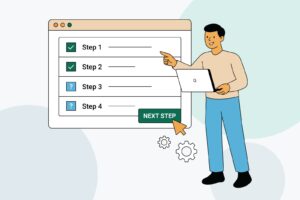
If checking a price change takes a ticket and three days, nobody maintains the data. The loop that keeps a configurator current: change it yourself, test it on staging, quote it — and see the impact before you approve.
Who Owns Your Product Rules — and Who May Change Them?
Ownership of product rules is rarely the problem. The path a change takes is. Why safe change beats full control, what a governed change looks like, and who should change what.

Performance Curves Need a Home: Technical Data in Product Configurators
Performance curves, sizing tables and test data are what an engineering configurator computes with. They belong neither in a PIM nor inside the configurator — they need a home, an owner and an update path.

Roll Back One Series, Not the Whole System
Every rule change will be wrong one day. What matters is how far the damage spreads and how fast you get back: versioning, rollback in minutes, and releases per series instead of per system.
Your Configurator Should Not Own Your Product Data
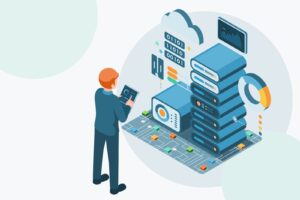
Product data kept inside a configurator becomes an island. Keep it in a neutral layer, and a PIM can take over later without the configurator noticing — plus where technical data, units and exports belong.

Product Rules Belong in Data. Computation Belongs in Code.
Options, prices and part number logic are declarations and belong in data your engineers can change. Sizing, curves and geometry are computation and belong in code. Why the line matters — and why “no code needed” is a warning sign.

Warranty of implementation
Have you ever asked your IT supplier for a “warranty of implementation”? Most of the time, the answer is something like:“Let’s start and you pay …
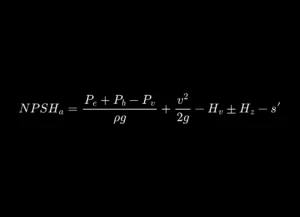
Understanding NPSH: The Pressure Cushion Your Pump Can’t Live Without
Every pump installation has a hidden failure mode that engineers don’t always catch until it’s too late — and it announces itself with a sound …

Still Quoting with PDF Catalogs? Here’s Why That’s Costing You Revenue.
In many companies, the quoting process still looks like this: Sales receives a request. They search through catalogs. They check product variants. They calculate pricing …