

Configurator projects rarely fail on the technology. They fail because nobody uses the result. The system works, the demo was convincing, the rules are correct — and six months after go-live, half the quotations still come out of the old spreadsheet.
Nobody quite trusts the new tool
This happens more often than anyone admits. Nobody quite trusts the new configurator, so nobody uses it until they have to — and then it is dropped on the team at the last moment and expected to work from day one. The result is predictable: every gap becomes proof that it was never going to work.

That is not a technical problem. It is acceptance, and it is psychology.
Everyone goes through the change curve
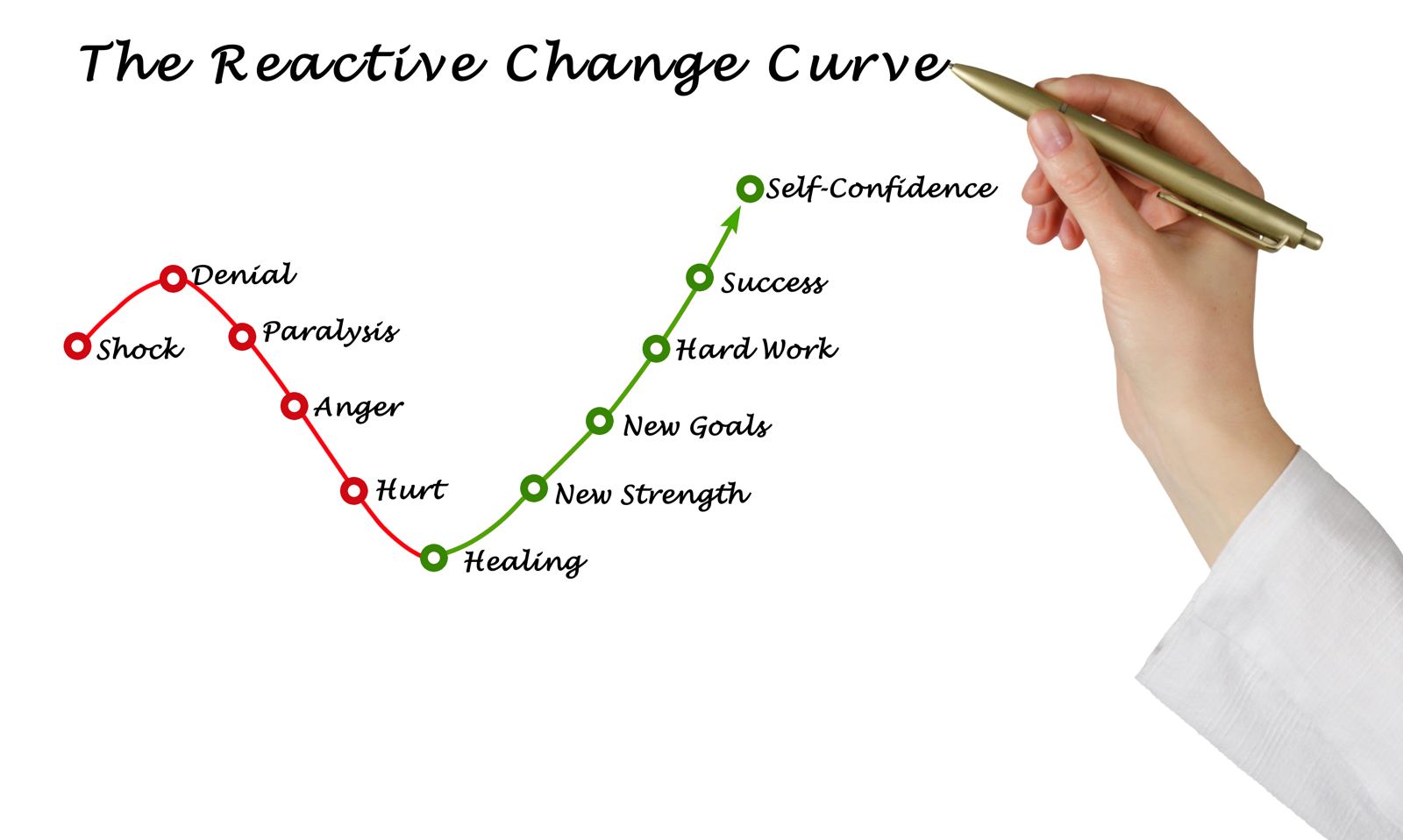
Any change to how people work runs through the same stages: shock, denial, frustration — and only then new routines and confidence. That is normal, and it cannot be skipped. The only choice you have is when your team goes through it: during the project, while there is still time to adjust the tool, or after go-live, in front of customers.
Who was asked before it was built?
The people who will quote with it every day know where the old process hurts and where the shortcuts are. If they first see the tool at go-live, they will judge it by what it does differently, not by what it does better.
People defend the tool they helped shape; they resist the one that was done to them. Four things make the difference in practice:
Acceptance by use, not by sign-off
If the system is handed to sales from the start of implementation, working with each series as soon as it is ready, the separate acceptance phase at the end largely disappears. Sales accepts the system by using it — and that alone often saves three to six months. How that fits into the overall timeline is described in How long it really takes.

How will you know whether it is actually used?
Low adoption does not announce itself. Without figures, it stays invisible until someone asks why the numbers in the CRM do not match. Ask what usage is measured — something like this:
Read the report per person and per series, not only in total. A low figure in one team usually has a concrete cause — a missing option, a slow step, a habit — and almost always a concrete fix.
What to ask before you buy
- Who on our side will be involved before the tool is built — and in what role?
- Can sales start using the first series during implementation, not only at the end?
- Is a typical quotation faster than with our spreadsheet today?
- Which usage figures are measured: quotations created, configurations abandoned, quotes still made outside the tool?
- Who looks at those figures every month, and what happens when they drop?
These are questions 24 and 26 of our buyer’s checklist for product configurators. Why speed decides whether a tool is used at all is covered in Speed Is Not a Detail.